Concrete for Water Tanks: Important Strength and Durability Factors
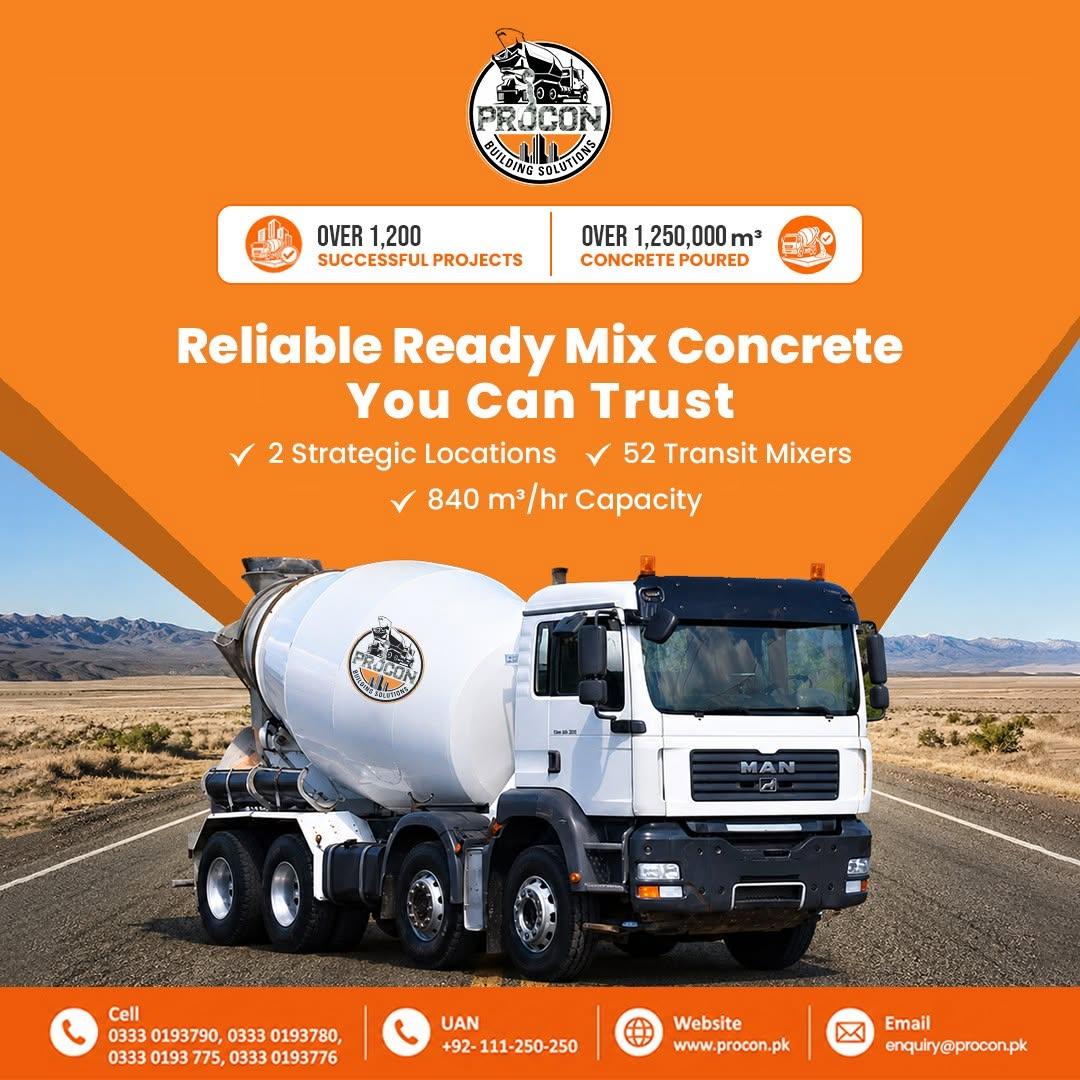
Water storage structures, including underground reservoirs, overhead tanks, and municipal water treatment basins, demand the absolute highest standards of material engineering. Unlike standard building columns or floor slabs, concrete used for water containment must serve a dual purpose: it must possess exceptional structural strength to withstand immense hydrostatic pressure while maintaining absolute impermeability to prevent leakage or contamination. A compromised water tank can lead to structural settlement, costly water loss, and severe health hazards. For engineers and contractors managing critical water infrastructure projects, sourcing reliable ready mix concrete in Karachi guarantees strict quality control, precise water-cement ratios, and dependable performance. Understanding the core strength and durability factors of tank concrete is vital for building safe, long-lasting liquid storage systems.
1. Achieving Low Permeability and Water tightness
The primary failure mode of any concrete water tank is fluid seepage through microscopic pores or micro-cracks within the hardened cement matrix:
Controlling the Water-Cement Ratio: Maintaining a low water-cement ratio is essential; excess mixing water creates capillary channels as it evaporates, leaving pathways for water to seep through.
Dense Aggregate Gradation: Utilizing well-graded coarse and fine aggregates eliminates internal voids, creating a dense, interlocking barrier that naturally resists fluid migration under pressure.
Waterproofing Admixtures: Incorporating specialized crystalline or chemical admixtures reacts with unhydrated cement particles to seal micro-cracks automatically when exposed to moisture over time.
2. Resisting Hydrostatic Pressure and Chemical Attack
Water tanks endure constant physical stress and aggressive chemical environments that can rapidly degrade substandard building materials:
Withstanding Hydrostatic Load: Full reservoirs exert immense outward and downward pressure on tank walls and base slabs; high compressive strength mixes prevent structural deflection and shear failure.
Combating Chemical and Sulfate Corrosion: Groundwater surrounding underground tanks often contains aggressive sulfates and chlorides that attack standard concrete, necessitating sulfate-resistant cement formulations.
Preventing Reinforcement Corrosion: Minimizing concrete permeability prevents moisture and oxygen from reaching internal steel rebar, stopping rust-induced expansion and subsequent concrete spalling.
3. Controlling Thermal and Shrinkage Cracking
Large monolithic water tank pours are highly susceptible to thermal gradients and drying shrinkage, which can compromise watertight integrity:
Managing Heat of Hydration: Massive foundation slabs and thick walls generate significant internal heat as cement cures; using low-heat binders prevents thermal shock and cracking.
Strategic Joint Placement and Curing: Implementing proper waterstops in construction joints and executing a rigorous, continuous wet-curing schedule ensures maximum tensile strength development.
Precision Batching Consistency: Factory-controlled batching eliminates the human errors of manual on-site mixing, ensuring every truckload delivers uniform strength and slump consistency.
Conclusion
Constructing secure and durable water storage tanks requires meticulous attention to mix design, low permeability, and resistance to hydrostatic and chemical pressures. By prioritizing scientific proportioning, specialized admixtures, and rigorous quality control, engineers can eliminate leakage risks and ensure decades of reliable service. Utilizing advanced batching technology guarantees that critical liquid containment structures are built to withstand the test of time. To secure high-grade structural materials for your next water infrastructure project, explore ready mix concrete in Karachi to build safe, watertight, and resilient containment systems.
Survey No. 423, Ibrahim Hydri, behind Bol head quarter, Korangi creek road, Karachi-74900
+92 21 111 250 250
Join the Conversation
Share Your Thoughts
Related Articles

How Technology Is Changing Concrete Construction in Pakistan
Discover how modern technology is transforming Pakistan’s construction industry through automated batching, smart logistics, concrete pumps, and sustainable methods.

How Ready-Mix Concrete Can Help Contractors Manage Construction Waste
Factory-controlled ready-mix concrete eliminates jobsite material waste, raw aggregate loss, and packaging disposal while ensuring precise volumetric delivery and verified structural quality.

Why Concrete Inspection Matters Before and After Placement
(procon.pk) provides high-grade ready-mix concrete and precision pumping solutions, ensuring structural strength across Pakistan.