How Product Testing Supports Better Ready-Mix Concrete Quality
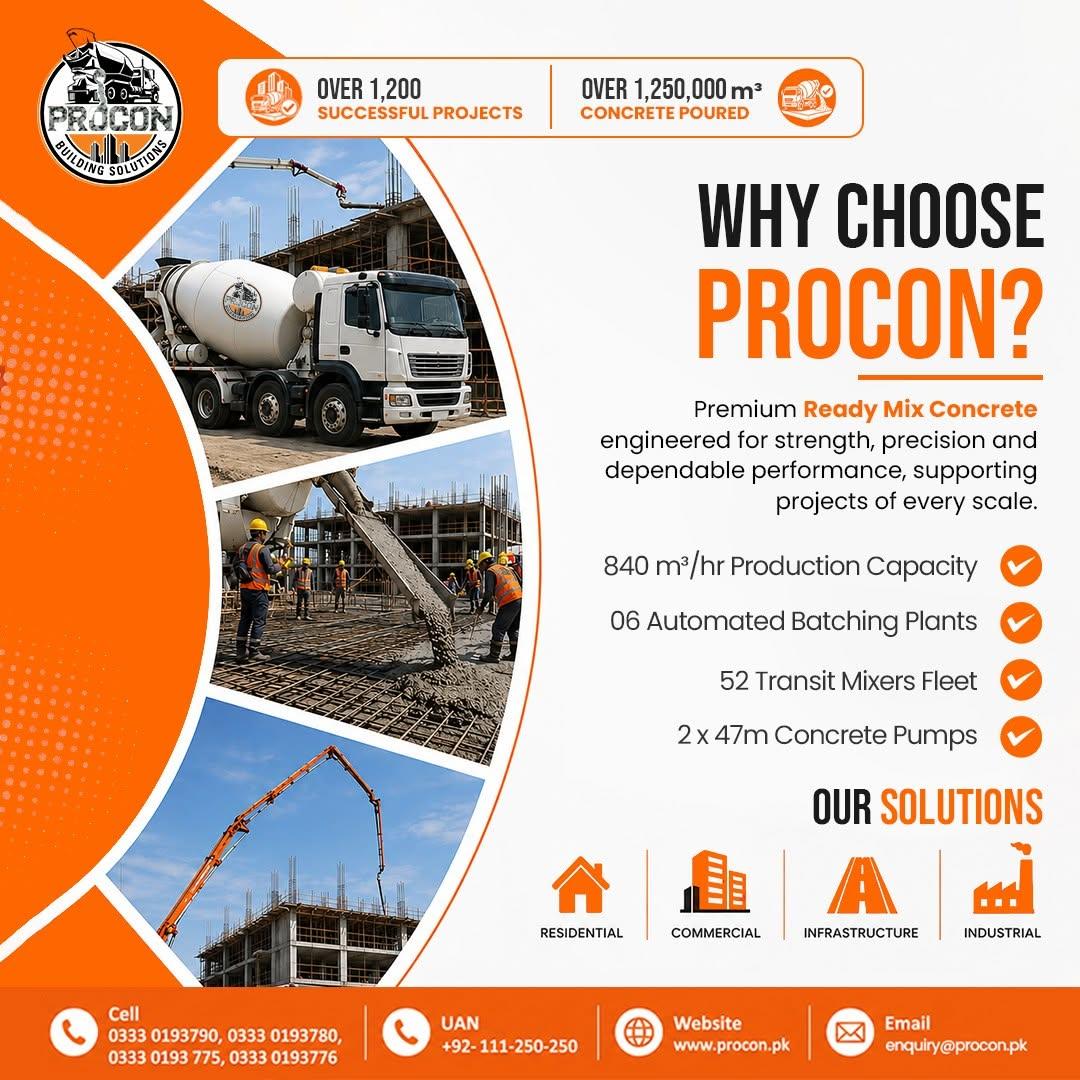
Building modern urban developments, industrial plants, and commercial towers requires unwavering structural predictability. Concrete serves as the backbone of civil infrastructure, meaning its performance directly impacts building safety, load-bearing capacity, and long-term service life. Relying on unverified site mixing or untested batching runs exposes structural elements to severe risks, such as uneven settlement, micro-cracks, and premature material degradation. Systematic product testing acts as a crucial bridge between raw material selection and site placement. Utilizing rigorous quality control alongside high-capacity equipment like a concrete pump Karachi gives contractors absolute assurance that every structural pour meets engineered strength specifications.
1. Raw Material Quality Control and Verification
High-performance concrete relies on the purity and quality of its constituent components. Product testing begins long before raw ingredients reach the batching plant's mixing drum:
Aggregate Sieve Analysis: Grading coarse and fine aggregates verifies particle size distribution, preventing voids and ensuring optimal matrix density.
Cement Integrity Checks: Testing cement for fineness, setting time, and compressive capabilities prevents batch failures caused by moisture contamination or low-grade binder.
Water Purity Diagnostics: Analyzing mixing water chemical properties ensures it is free from sulfates, chlorides, or organic impurities that accelerate rebar corrosion or retard curing.
2. Real-Time Slump and Workability Testing
Maintaining workability during transit and placement is essential for achieving smooth, void-free concrete elements:
Slump Cone Verification: Measuring fresh concrete slump at the batching plant and upon site arrival ensures proper fluidity without risking aggregate segregation.
Evaluating Water-Cement Ratios: Immediate slump checks reveal unintended moisture fluctuations, preventing excess water usage that drastically reduces cured concrete strength.
Optimizing Placement Flow: Consistent slump verification guarantees smooth passage through high-pressure pump lines and placing booms, eliminating equipment blockages during critical pours.
3. Compressive Strength Verification via Cube Samples
Destructive compression testing on standardized specimen blocks provides the ultimate validation of concrete structural safety:
7-Day Early Strength Indicators: Crushing 7-day specimen cubes allows engineers to evaluate hydration progression and make informed decisions regarding formwork stripping schedules.
28-Day Design Strength Audits: Testing 28-day cubes provides official verification that cured concrete meets or exceeds specified design thresholds (PSI/MPa).
Batch Consistency Audits: Routine cube testing across multi-truck deliveries identifies localized batch variations, enabling site teams to address discrepancies early.
4. Durability and Environmental Adaptability Testing
In coastal, saline, or industrial environments, structural elements must resist chemical exposure and ambient weather extremes over time:
Water Permeability Testing: Assessing concrete density and absorption characteristics verifies its resistance to moisture ingress, protecting internal steel reinforcement from rusting.
Admixture Compatibility Diagnostics: Testing chemical retarders, superplasticizers, and waterproofing agents ensures they deliver required workability without altering curing behavior.
Reliable Supplier Partnerships: Working with established building solution providers like Procon ensures construction managers gain access to certified laboratory testing, computer-controlled batching precision, and dependable equipment logistics.
Conclusion
Product testing is an essential foundation for delivering superior ready-mix concrete quality across modern construction projects. By systematically validating raw ingredients, evaluating fresh slump characteristics, and executing 28-day compression testing, project teams eliminate structural guesswork and ensure compliance with strict engineering standards. Rigorous product testing safeguards physical assets, optimizes placement workflows, and shields builders from expensive structural retrofits. Partnering with certified batching plants and utilizing mechanized delivery systems gives engineering teams full control over every structural pour. To elevate your structural quality standards and secure reliable pumping machinery, explore specialized options for a concrete pump Karachi today.
Survey No. 423, Ibrahim Hydri, behind Bol head quarter, Korangi creek road, Karachi-74900
+92 21 111 250 250
Join the Conversation
Share Your Thoughts
Related Articles

How Technology Is Changing Concrete Construction in Pakistan
Discover how modern technology is transforming Pakistan’s construction industry through automated batching, smart logistics, concrete pumps, and sustainable methods.

How Ready-Mix Concrete Can Help Contractors Manage Construction Waste
Factory-controlled ready-mix concrete eliminates jobsite material waste, raw aggregate loss, and packaging disposal while ensuring precise volumetric delivery and verified structural quality.

Why Concrete Inspection Matters Before and After Placement
(procon.pk) provides high-grade ready-mix concrete and precision pumping solutions, ensuring structural strength across Pakistan.