How to Choose the Right Ready-Mix Concrete for Your Building
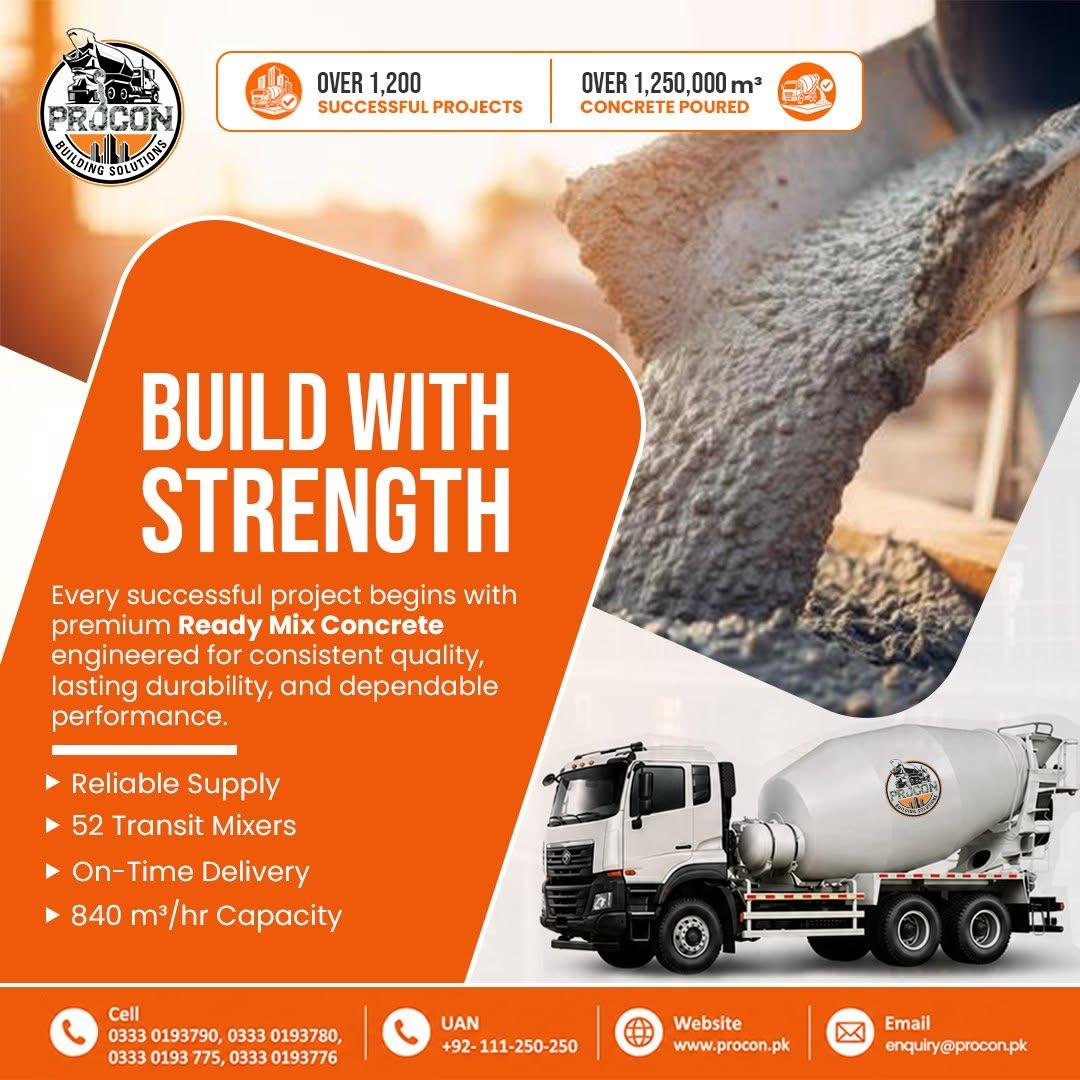
Selecting the appropriate structural materials is one of the most vital decisions during the planning phase of any modern construction project. Concrete forms the primary load-bearing matrix for residential homes, commercial towers, and heavy industrial facilities. Choosing the wrong grade or mix proportion can lead to structural cracking, moisture infiltration, and expensive long-term maintenance. Moving away from unpredictable, site-mixed methods toward precision-engineered building solutions allows project managers to meet exact compressive strength requirements. Industry specialists like Procon utilize automated batching infrastructure and specialized testing facilities to formulate tailored concrete mixes for diverse applications. For developers and contractors managing urban developments, pairing the right material selection with a high-capacity concrete pump Karachi setup guarantees continuous placement, optimal compaction, and maximum structural safety.
Key Factors to Consider When Selecting Ready-Mix Concrete
Choosing the right concrete formulation requires evaluating several structural and environmental parameters:
1. Required Compressive Strength Grade: Different structural elements require distinct load capacities. Standard residential slabs may use M20 or M25 grades, while heavily loaded high-rise columns and shear walls demand high-performance concrete starting from M30, M40, or higher.
2. Workability and Slump Requirements: Slump measures the fluidity of fresh concrete. Heavily reinforced columns require a higher slump to flow through dense rebar cages without creating air pockets, whereas open slabs demand moderate slump retention for surface finishing.
3. Environmental and Soil Exposure: Soil conditions containing high sulfate levels or coastal environments with airborne salts require specialized cement types (such as Sulfate Resisting Cement) or low water-cement ratios to protect embedded steel rebar against corrosion.
4. Setting Time and Logistics: Ambient weather and transport distance influence concrete setting rates. Utilizing specialized chemical retarders or plasticizers preserves workability during transit without compromising long-term strength.
Operational Advantages of Customized Mix Engineering
Relying on factory-batched, tailored concrete designs brings clear engineering benefits over standard nominal site mixes:
Computerized Batching Precision
Automated batching facilities measure aggregates, sand, cement, water, and chemical admixtures down to exact weight tolerances using digital load sensors. This precision ensures uniform strength, predictable setting behavior, and batch-to-batch consistency.
Prevention of Structural Defect Risks
Custom-designed mixes with optimized particle packing create a tight, highly durable matrix. Proper mix proportioning minimizes internal capillary voids, reducing water permeability and preventing structural defects like honeycombing or shrinkage cracks.
Efficient Equipment Compatibility
Specialized mix designs are engineered specifically for pumping. Fluid, highly cohesive concrete formulations move effortlessly through delivery lines without segregation or causing pump line blockages, keeping job site execution moving without delay.
Procon’s Quality Assurance and Technical Oversight
Procon supports contractors, developers, and structural engineers across Pakistan by combining advanced manufacturing technology with rigorous quality control standards.
In-House Material Testing: Procon’s technical team evaluates all raw materials—screening sand silt content, aggregate hardness, and water purity—to engineer precise baseline recipes.
On-Site Technical Verification: Field representatives perform slump checks upon delivery at the pour site and take standardized test cubes for 7-day and 28-day compressive strength verification.
Integrated Supply Logistics: Synchronized dispatches via GPS-monitored transit mixers ensure a continuous flow of material, preventing cold joints during major foundation or slab pours.
Conclusion
Choosing the right ready-mix concrete formula transforms structural design specifications into safe, durable physical assets. By carefully evaluating required strength grades, slump retention, environmental exposures, and pumping needs, builders protect their investments against premature structural degradation. Sourcing tailored material solutions and reliable supply logistics from established concrete specialists like concrete pump Karachi ensures that every foundation, load-bearing column, and suspended slab meets the highest international standards for strength, safety, and performance.
Survey No. 423, Ibrahim Hydri, behind Bol head quarter, Korangi creek road, Karachi-74900
+92 21 111 250 250
Join the Conversation
Share Your Thoughts
Related Articles

How Technology Is Changing Concrete Construction in Pakistan
Discover how modern technology is transforming Pakistan’s construction industry through automated batching, smart logistics, concrete pumps, and sustainable methods.

How Ready-Mix Concrete Can Help Contractors Manage Construction Waste
Factory-controlled ready-mix concrete eliminates jobsite material waste, raw aggregate loss, and packaging disposal while ensuring precise volumetric delivery and verified structural quality.

Why Concrete Inspection Matters Before and After Placement
(procon.pk) provides high-grade ready-mix concrete and precision pumping solutions, ensuring structural strength across Pakistan.