Understanding the Role of Aggregate Shape in Concrete Surface Finish
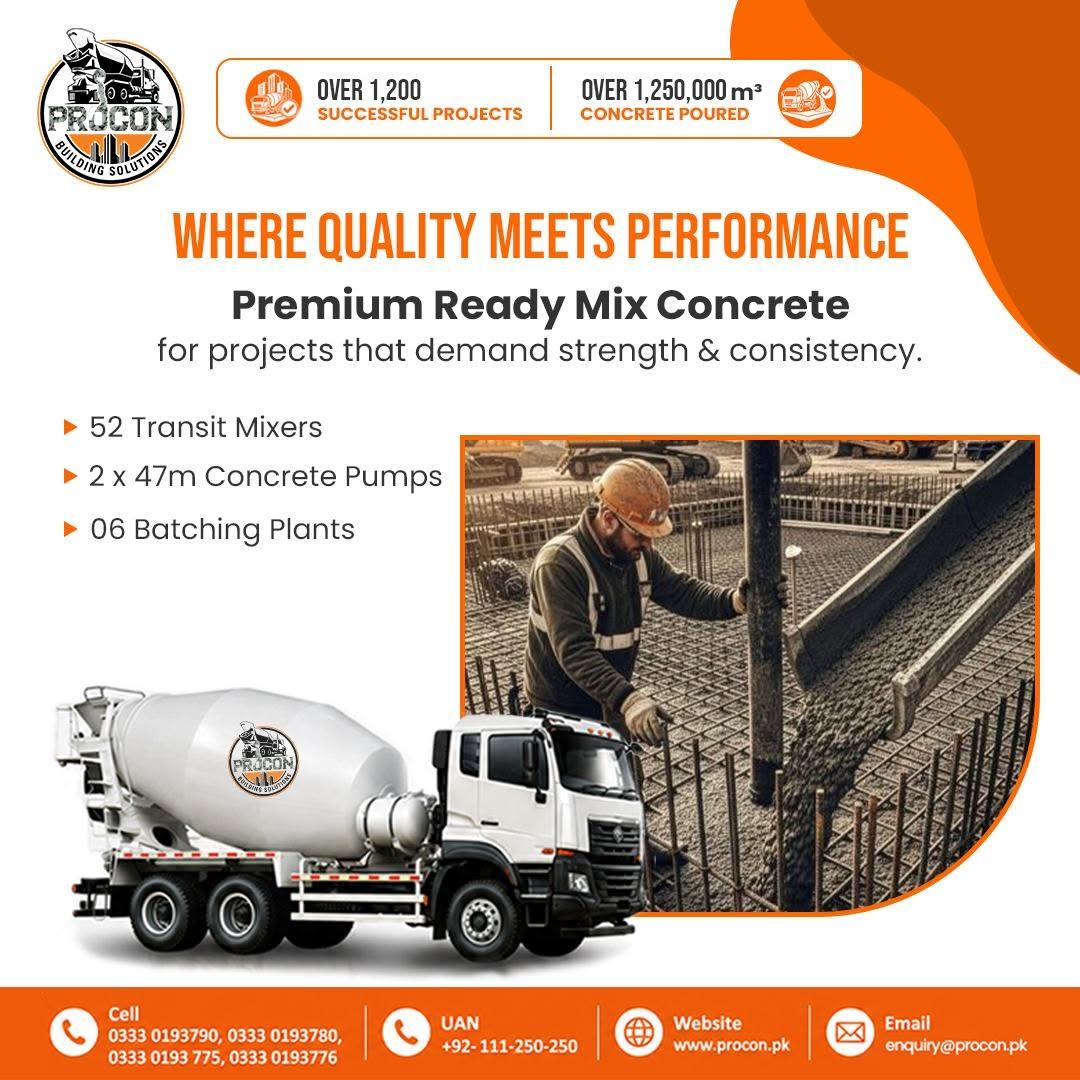
In modern commercial construction and architectural concrete design, the visual aesthetic and surface finish of a structural element are just as critical as its internal compressive strength. Whether dealing with exposed aggregate facades, smooth-form finished walls, or high-traffic industrial floor slabs, the final surface texture is heavily dictated by components hidden deep inside the mix. While cement paste, water-cement ratios, and chemical admixtures get much of the attention, the shape, angularity, and surface texture of coarse and fine aggregates play a massive, often underappreciated role in how concrete behaves during placement and finishing. When aggregates feature poor shape characteristics or excessive elongation, finishing crews struggle with surface blemishes, honeycombing, and excessive bleeding. For major commercial developments seeking flawless architectural finishes and uncompromising material quality, partnering with established providers such as concrete pump Karachi ensures that aggregate grading and particle shapes are strictly controlled from the quarry to the formwork.
The Mechanics of Aggregate Shape and Particle Interlock
Aggregates make up the vast structural skeleton of concrete, occupying up to seventy-five percent of its total volume. However, not all stones are created equal. Quarrying methods, crushing equipment, and the geological origin of the stone determine whether the resulting aggregate particles are angular, sub-angular, rounded, flaky, or elongated.
The physical shape of these particles directly influences the internal dynamics of the fresh mix:
Angular Crushed Stones: Crushed angular aggregates provide high internal friction and excellent mechanical interlock, which enhances the post-hardening flexural strength and structural stability of the concrete. However, their sharp faces require more cement paste to coat them adequately.
Rounded River Gravels: Naturally rounded stones tumble and roll smoothly against one another, reducing internal friction and allowing the mix to flow easily through congested reinforcement cages and narrow formwork.
Flaky and Elongated Particles: Flat or elongated stones act like miniature leaves or needles, creating weak structural planes, increasing void spaces, and causing severe surface scaling or honeycombing during finishing operations.
How Aggregate Shape Impacts Surface Finish and Workability
The surface texture of a hardened concrete slab is the ultimate physical manifestation of how well the mix consolidated against the formwork face or under the trowel. If aggregate shapes are erratic or poorly proportioned, finishing crews face immediate operational challenges.
Flaky or poorly shaped coarse aggregates disrupt the cement paste matrix, forcing excess bleed water to the surface. As this bleed water rises, it carries fine sand particles upward, creating a weak, chalky surface layer known as laitance. This weak layer is prone to dusting, crazing, and premature surface cracking under traffic. Furthermore, angular and rough-textured aggregates demand higher water content to maintain workability unless offset by modern chemical superplasticizers. If water is added indiscriminately to compensate for particle friction, the resulting mix suffers from severe shrinkage, ruining the smoothness and integrity of the finished surface.
Optimizing Placement Equipment and Pumping Efficiency
Aggregate shape does not just impact hand troweling and formwork surfaces; it dictates how smoothly concrete moves through heavy mechanical placement machinery. If coarse aggregates contain too many elongated or oversized particles, they can interlock inside pipeline bends, causing sudden blockages and high pump pressure spikes.
Sourcing specialized commercial services, including access to a reliable concrete pump Karachi, ensures that the material supply chain is backed by strict quality controls on aggregate shape and gradation, preventing line jams and ensuring a uniform, fluid discharge at the pour face.
Conclusion
The shape of coarse and fine aggregates is a fundamental physical property that directly governs concrete workability, finishing quality, and long-term surface durability. By understanding how angularity, roundness, and particle elongation affect the cement paste matrix and bleeding characteristics, construction teams can avoid unsightly surface defects. Prioritizing strict aggregate shape specifications alongside trusted supply partnerships ensures that every structural surface achieves an immaculate finish, structural integrity, and lasting architectural appeal.
Survey No. 423, Ibrahim Hydri, behind Bol head quarter, Korangi creek road, Karachi-74900
+92 21 111 250 250
Join the Conversation
Share Your Thoughts
Related Articles
How Concrete Specifications Differ for Ramps, Driveways and Access Roads
Different concrete surfaces demand tailored specifications—ramps, driveways, and access roads each require unique mix designs to prevent premature failure and ensure structural longevity.

How Technology Is Changing Concrete Construction in Pakistan
Discover how modern technology is transforming Pakistan’s construction industry through automated batching, smart logistics, concrete pumps, and sustainable methods.

How Ready-Mix Concrete Can Help Contractors Manage Construction Waste
Factory-controlled ready-mix concrete eliminates jobsite material waste, raw aggregate loss, and packaging disposal while ensuring precise volumetric delivery and verified structural quality.